
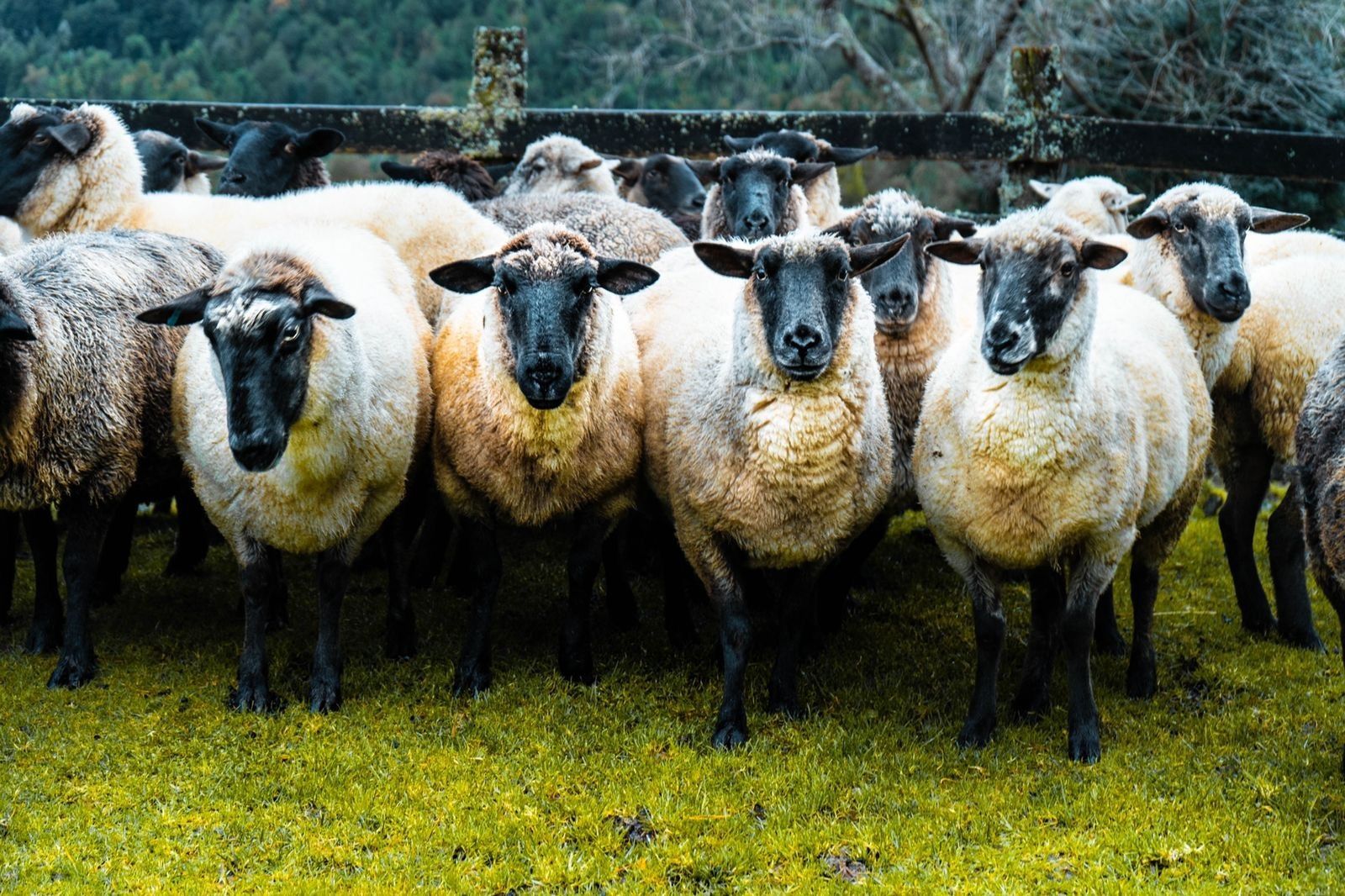
What we do / Sustainable agriculture
Sustainableagriculture
Sustainable agriculture in Patagonia is a growing movement that brings farming in line with the region’s rich biodiversity. The aim is to produce food and fiber in a way that respects Patagonia’s ecosystems, keeps environmental impact low and leaves resources for future generations.
How it is done
The techniques include organic farming, crop rotation and responsible grazing. All of them aim to improve soil health, use less water and cut pollution.
From the farm to the table
Much of what we grow ends up in our own kitchen. The farm’s orchard supplies many of the fruits and vegetables served at the restaurant.
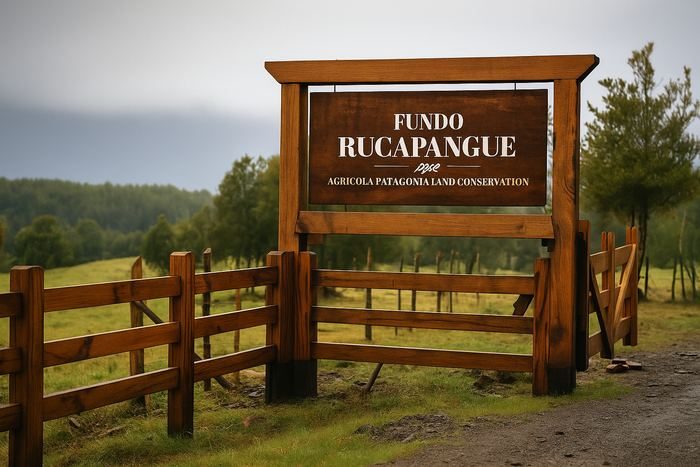
Fundo Rucapangue
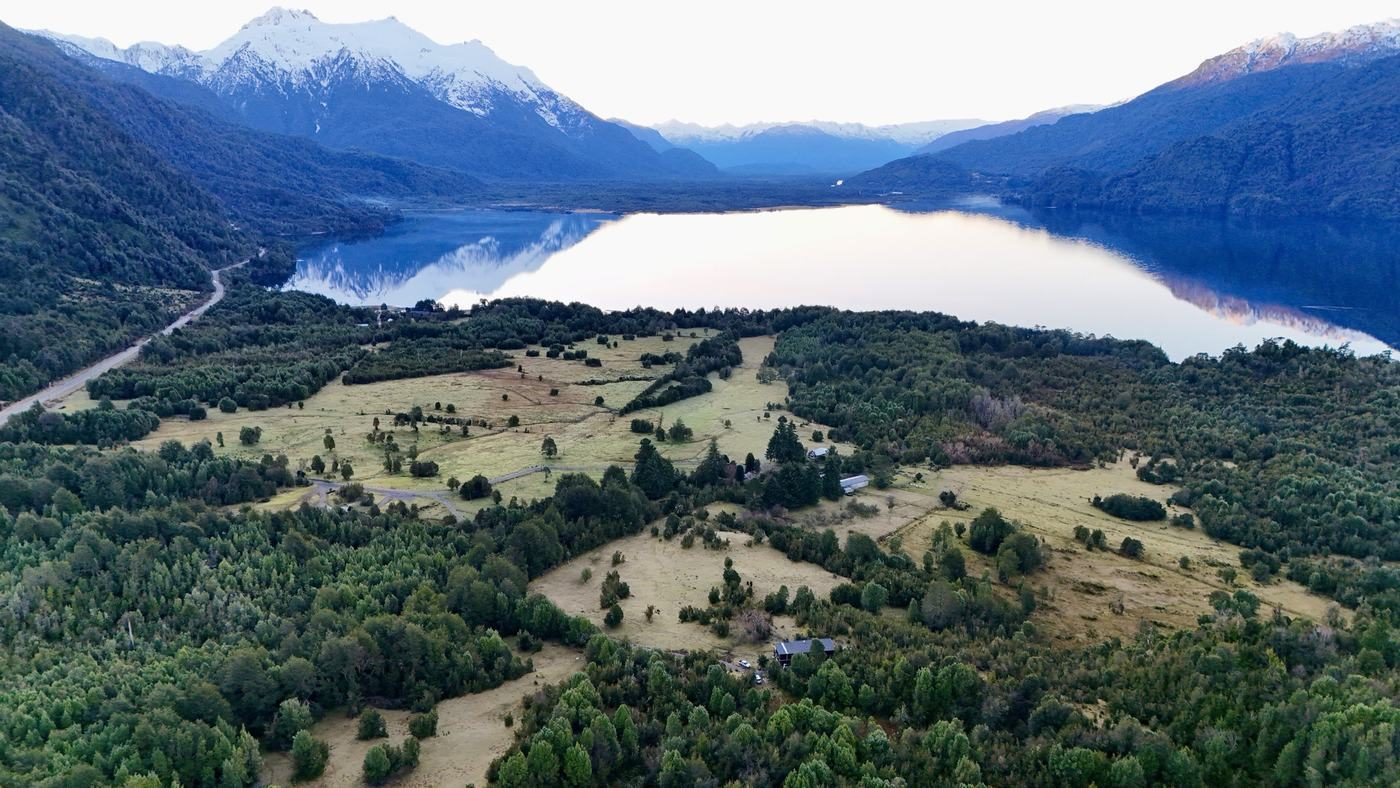
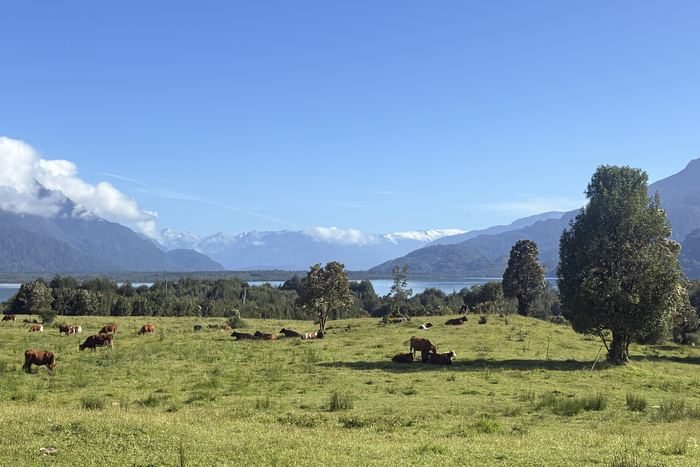
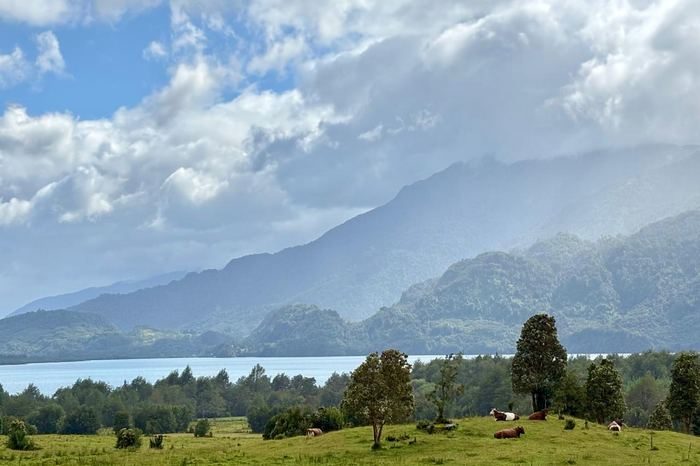
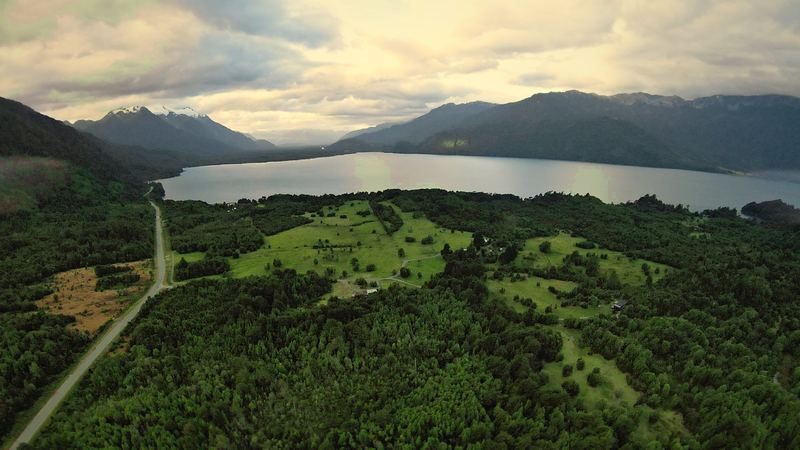
The farm behind this work is Fundo Rucapangue, on the south shore of the northern end of Lago Yelcho, near Puerto Cárdenas. It sits at km 253 of the Carretera Austral, 55 km from Chaitén by paved road, between Corcovado National Park and Pumalín Park.
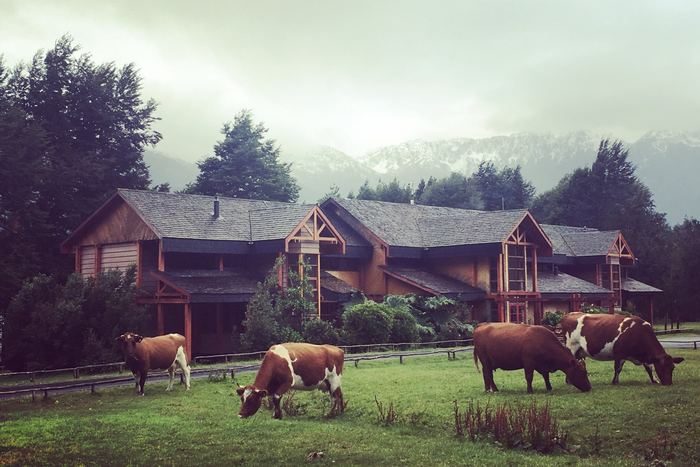
It is a working farm, with animals, a vegetable garden, firewood and managed native forest. It shares its land with a tourism operation that has been running since 1982: a hotel, cabins, a campsite and the trail to the Ventisquero Yelcho viewpoint.
- 750 ha
- total area
- 84%
- native forest
- 16
- paddocks, 90.6 ha
- 50
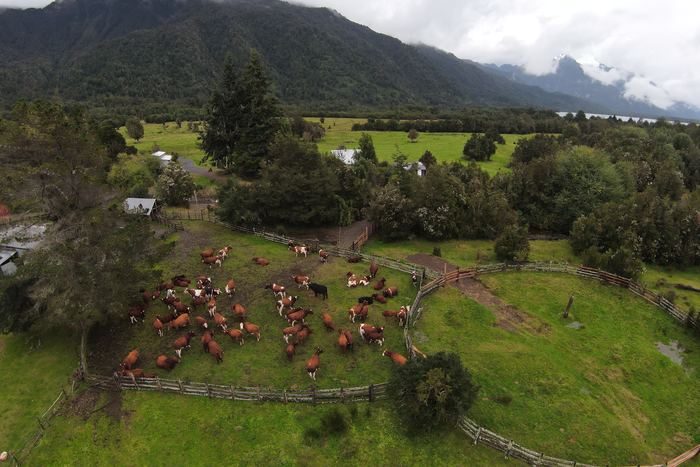
- breeding cows (target)
- 50
- breeding ewes (target)
- 100
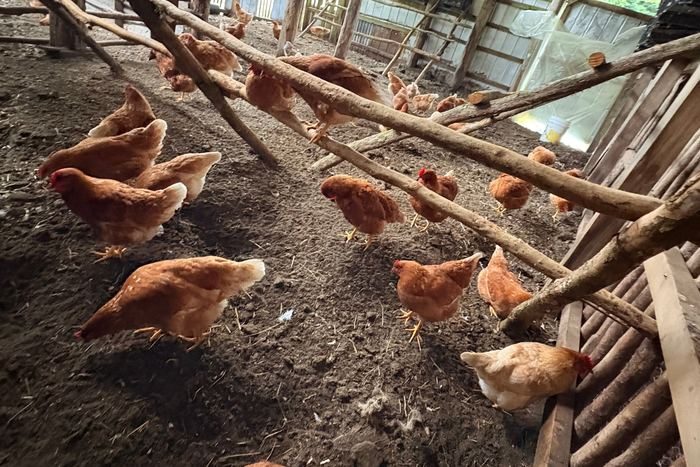
- hens for the hotel’s eggs
- 200 m³
- dry firewood a year
The land
- Native forest covers 627 ha; pastures and scrub about 100 ha.
- 1,050 m of sandy beach on the lake and 5,830 m of riverbank.
- The rivers Ventisquero, Moraga, Sonoro and Yelcho Chico surround it, all in the Yelcho basin.
- 94% of the farm has slopes under 30%.
- Its whole western boundary adjoins Corcovado National Park.
- Temperate rainy climate with no dry season: 3,500 to 5,000 mm of rain a year and a mean annual temperature of 8.5 °C.
Yelcho from the air
An aerial tour of just over a minute, from the map of South America down to the lake, the property, the cabins, the campsite and the trail to the viewpoint. 1:19, with sound, 18 MB
What it produces
The year on the farm
Winter, May to October
The base of the work, which carries on all year.
- Cattle: winter fodder, calving, breeding, pregnancy checks and sales
- Sheep: lambing
- Hens: a smaller flock of 50, with no artificial light
- Firewood: about 27 m³ produced a month
- Pastures: closed, and mown only when needed
- Trails: a monthly round, clearing and draining
Summer, November to April
The tourism season adds its own tasks.
- Hens: the full flock of 100, 60 eggs a day for the hotel
- Pastures: mown weekly, or every 7 to 10 days
- Trails: maintenance every two weeks
- Visitors: horse rides and lamb roasts
- Firewood: drying and delivery of dry wood; production restarts in March and April
Calves are born between August and October and sold at the livestock fair in April. Replacement pullets are bought in October.
The 16 paddocks
The 16 paddocks add up to 90.6 ha. Each has a record with its area, perimeter and centre point.
Keeping them takes an estimated 74.5 days of work a year, with a tractor and rotary mower, a lawnmower or a brush cutter, clearing rushes, bramble, calafate and shrubs.
A tour of the 16 paddocks from north to south over a satellite image, with the record of each one. 4:06, no sound, on-screen text, 21 MB
Native forest
Evergreen native forest covers 627 ha, 84% of the farm. Coigüe de Chiloé and mañío dominate, with ulmo, tepa, canelo, tineo, luma and arrayán, easy to recognise by its reddish trunk.
Timber and firewood come from trees brought down by wind, age or storms, not from standing trees.
Some sectors carry a legal protection that stays in force even if the owners or the economic situation change. A native forest management plan is being processed with CONAF, to work one sector over the long term without losing its structure.
Wildlife and birds
- Forest
- Pudú, güiña, puma and monito del monte. Birds: chucao, hued-hued, rayadito, Magellanic woodpecker and pitío.
- Lake and rivers
- Huillín, the southern river otter. Birds: kingfisher, huala, pimpollo, garza cuca and quetru.
- Pastures and sky
- On the grass: bandurria, caiquén and canquén. Overhead: condor, traro, tiuque, peuco and aguilucho.
The forest mammals are shy; the birds are seen and heard every day.
The trail to Ventisquero Yelcho
The trail starts in the southern sector of the property. It was opened by the Ministry of National Assets and is declared a Protected National Asset. It crosses native forest and ends in front of the ice and the waterfall that comes down from the glacier. It depends on the weather: after days of rain there can be mud and swollen streams.
Fundo Rucapangue is operated by Agrícola Patagonia Land Conservation. Figures as of November 2026; targets may be adjusted.
- ES
- EN
- EN
- EN
- EN
- EN